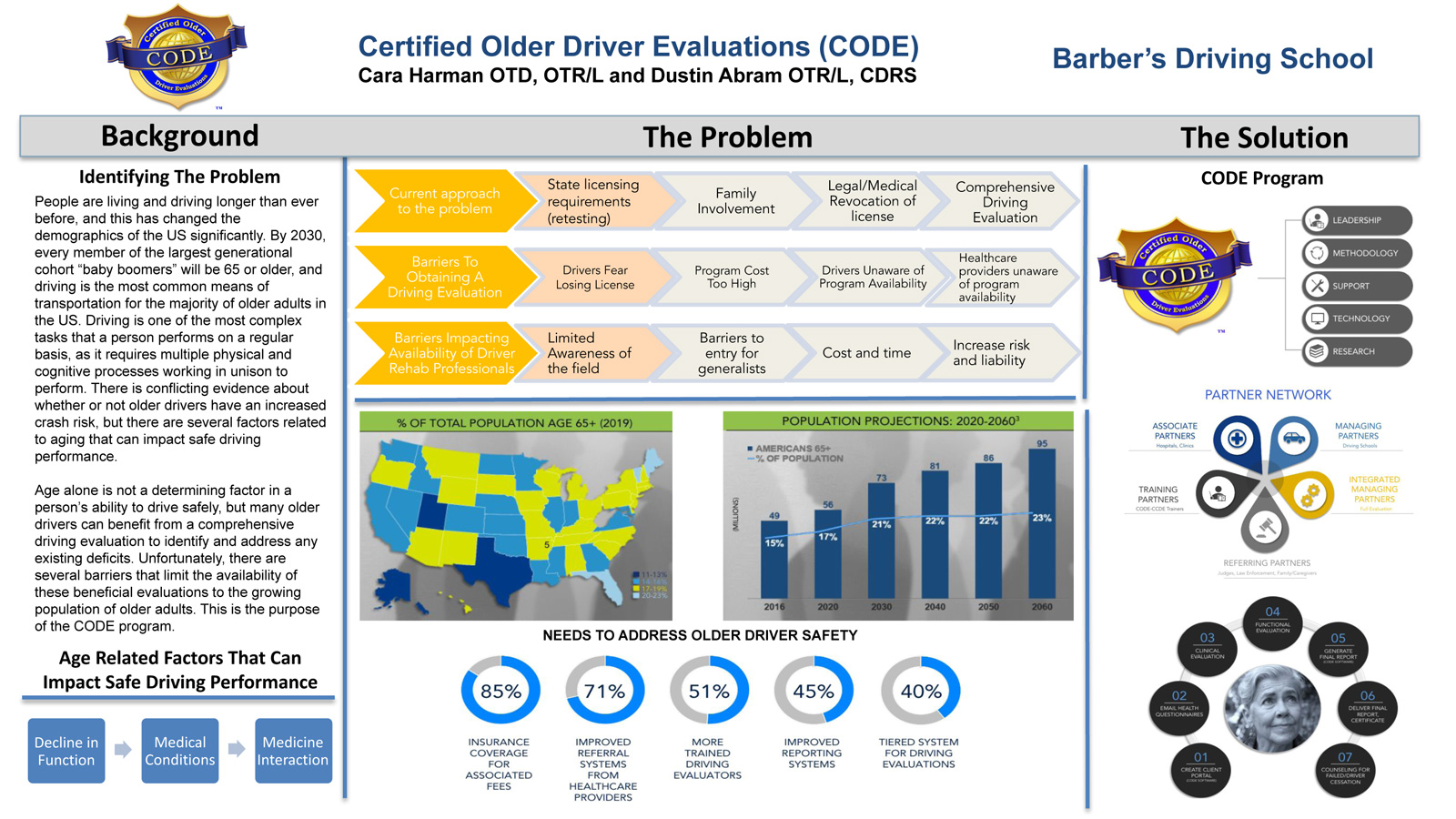
As America’s population continues to age, states across the country have adopted a variety of laws designed to ensure older drivers remain safe on the road while preserving their independence. A report from the National Highway Traffic Safety Administration (NHTSA), Key Provisions of State Laws Pertaining to Older Driver Licensing Requirements, provides a detailed overview of how each state approaches driver’s license renewal and testing for older adults.
You can read the full NHTSA report here:
https://www.nhtsa.gov/sites/
Why States Have Special Licensing Rules for Older Drivers
Older drivers are often experienced and cautious, but aging can bring changes in vision, reaction time, and medical health that may affect driving ability. Rather than relying solely on age-based restrictions, many states have created targeted licensing requirements that allow motor vehicle agencies to assess driving fitness more frequently as drivers get older.
Common measures include:
- In-person license renewal instead of online or mail renewal
- Mandatory vision testing
- Shorter license renewal cycles
- Written or road tests in some cases
- Medical evaluations or physician statements
These laws are intended to balance public safety with the mobility and independence of older adults.
Age Thresholds Vary by State
There is no national definition of when a driver becomes an “older driver.” States set their own age thresholds, which range widely.
Examples highlighted in the NHTSA report include:
- California: Special provisions begin at age 70, including in-person renewal and vision testing.
- Arizona: Additional testing and vision requirements begin at age 65.
- District of Columbia: Drivers age 70 and older must renew in person and submit a physician’s statement confirming physical and mental fitness to drive.
- Florida: Drivers age 80 and older must renew in person and pass a vision test, though the vision test may be submitted electronically in advance.
- Georgia: Vision testing requirements begin at age 64, with more frequent renewal cycles starting at age 60.
- Hawaii: Shortened renewal cycles begin at age 72.
These differences reflect how each state balances administrative efficiency, safety data, and local policy priorities.
Shorter Renewal Periods for Older Drivers
Many states require older drivers to renew their licenses more frequently than younger drivers. This allows state agencies to check vision and health status more often.
For example:
- Florida: Drivers age 80 and older renew every six years instead of the standard eight.
- Georgia: Drivers over age 60 renew every five years rather than eight.
- Illinois: Drivers ages 81 to 86 must renew every two years, while drivers age 87 and older must renew annually.
Shorter renewal periods help ensure that age-related changes affecting driving ability are identified earlier.
Vision, Written, and Road Testing
Vision testing is the most common additional requirement for older drivers. Many states mandate a vision test at every renewal once a driver reaches a certain age.
Some states go further by requiring written or road tests under specific conditions. For example, Illinois has historically required behind-the-wheel testing for older drivers, though recent legislative changes have adjusted the age thresholds for those requirements.
These testing policies are designed to assess actual driving ability rather than making assumptions based on age alone.
Medical Evaluations and Advisory Boards
Several states require or allow medical documentation when there are concerns about a driver’s health. In the District of Columbia, for example, older drivers must submit a physician’s statement certifying that they are mentally and physically fit to drive.
Some states also use medical advisory boards made up of healthcare professionals who advise motor vehicle agencies on whether drivers with certain medical conditions can continue driving safely.
This approach shifts the focus from age-based restrictions to condition-based evaluations.
The Bigger Picture
The NHTSA report makes it clear that older driver licensing laws vary significantly across the country. While some states begin special requirements as early as age 60, others wait until drivers reach their late 70s or 80s.
Importantly, the report emphasizes that age alone is not a reliable measure of driving ability. Instead, changes in vision, cognition, and physical health are the factors that matter most. Many safety experts encourage drivers and families to plan ahead for license renewal and to monitor health changes that could affect driving well before issues arise.
Conclusion
State laws governing older driver licensing reflect a careful balancing act: protecting public safety while respecting the independence and mobility of older adults. Because requirements vary so widely, older drivers and caregivers should familiarize themselves with their state’s specific rules well before renewal time.
For a detailed, state-by-state breakdown of these laws, readers can review the full NHTSA report here:
https://www.nhtsa.gov/sites/