
Introducing the PortaClinic: Making Vision Screening Accessible, Affordable, and Comprehensive

Barber’s Driving School is proud to announce the development of the PortaClinic, an innovative vision screening tool designed to bring high-quality, research-based vision testing to clinical driver evaluations—without the high price tag. Traditional vision testing systems can be expensive, bulky, and difficult to integrate into daily clinical workflows. The PortaClinic changes that by offering a compact, cost-effective, and easy-to-use solution that provides clinicians with critical visual information in just minutes.
The PortaClinic evaluates key aspects of visual performance that studies consistently show are vital for safe driving: depth perception, peripheral vision, glare recovery, visual acuity, color vision, contrast sensitivity, and reaction time. These factors directly influence a driver’s ability to judge distances, respond to hazards, detect movement in their periphery, and recover from glare at night—all essential for maintaining safety on the road.
With this single portable device, clinicians can efficiently determine whether a client’s vision meets state licensing requirements and identify visual deficits that may impact driving performance. The results can guide important next steps, such as flagging potential concerns for the on-road evaluator or determining when to refer the individual to an optometrist or ophthalmologist for a comprehensive eye exam or treatment.
Designed with the needs of driver rehabilitation specialists, occupational therapists, and vision professionals in mind, the PortaClinic supports consistent, evidence-based screening practices. Its intuitive interface allows for quick administration and easy interpretation of results, streamlining the clinical workflow while ensuring that no critical aspect of vision is overlooked.
By making advanced vision screening more accessible, the PortaClinic empowers clinicians to make more informed decisions, enhances collaboration between driving evaluators and eye care professionals, and ultimately promotes safer driving outcomes for individuals of all ages and abilities. Barber’s Driving School is committed to supporting professionals in the field of driver evaluation and rehabilitation through innovative tools like the PortaClinic—bridging the gap between vision science and real-world driver safety.
Cara Harman at the 2024 Tennessee Occupational Therapy Association conference in Nashville, TN
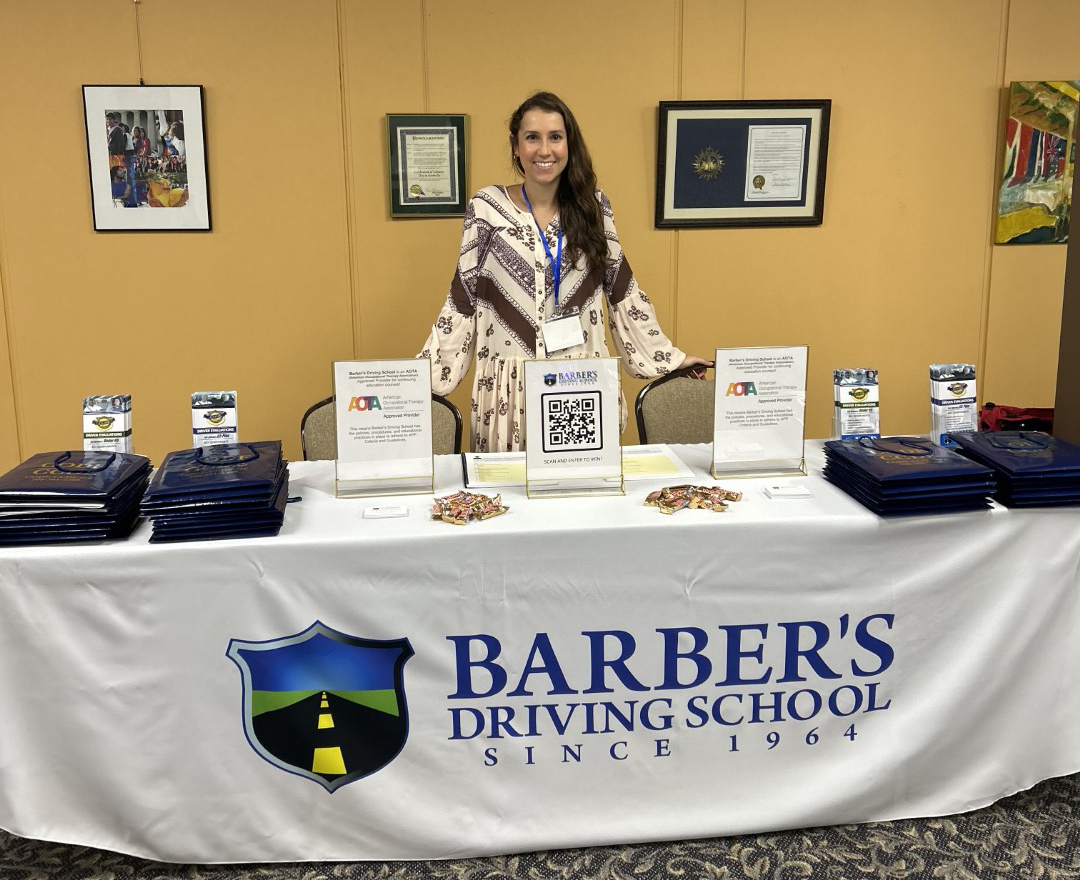
Cara Harman at the 2024 Tennessee Occupational Therapy Association conference in Nashville, TN hosting a booth and presenting to clinicians on driving evaluations.
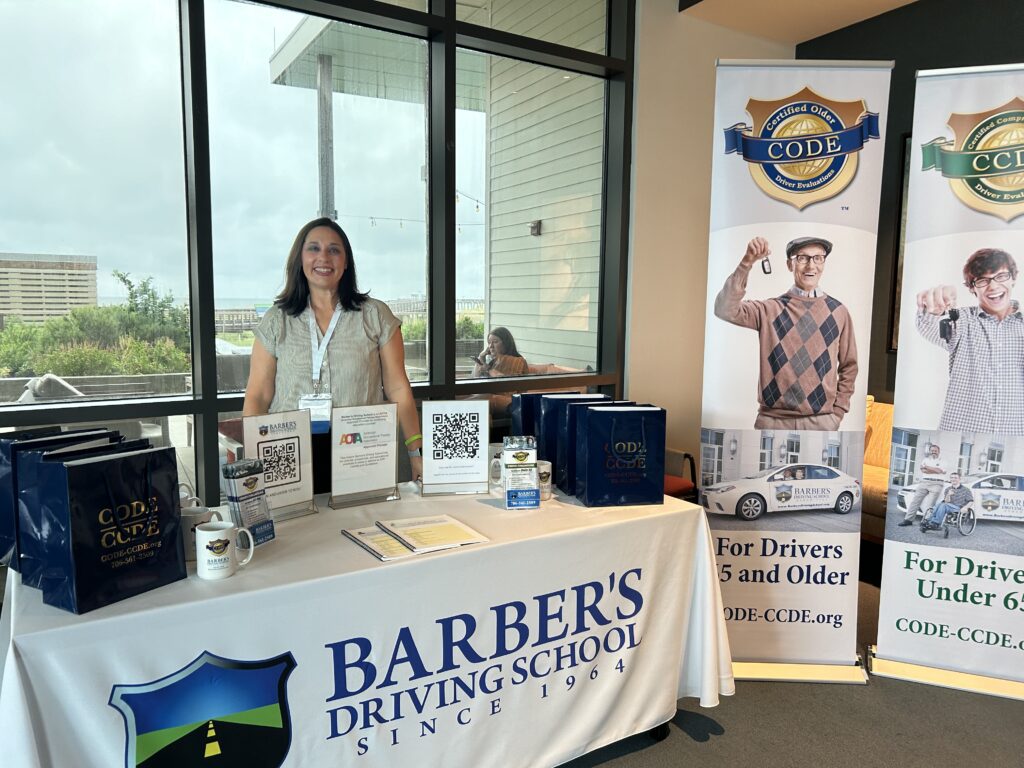
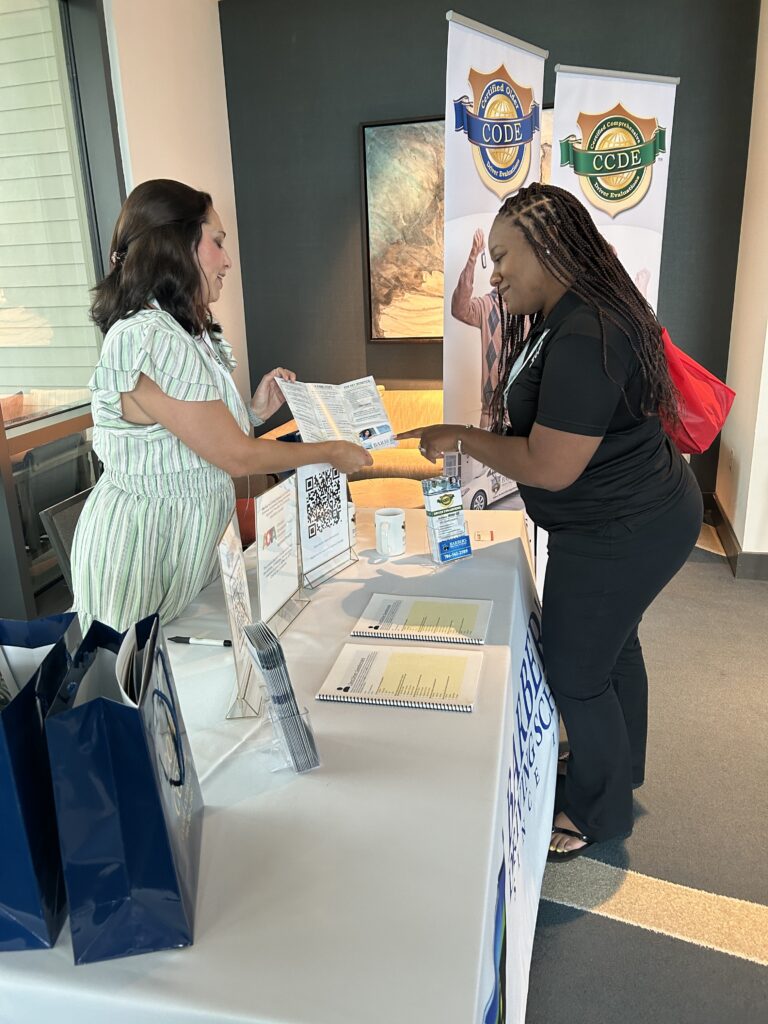
Barber’s Driving School becomes an AOTA (American Occupational Therapy Association) Approved Provider for continuing education courses!
In August of 2024, Barber's Driving School became an AOTA (American Occupational Therapy Association) Approved Provider for continuing education courses! This means Barber's Driving School has the policies, procedures, and educational practices in place to adhere to APP Criteria and Guidelines.
Cara Harman, Barber’s Driving School’s Director of Research and Development, was named the 2023 “OT Practitioner of the Year” by the Georgia Occupational Therapy Association.
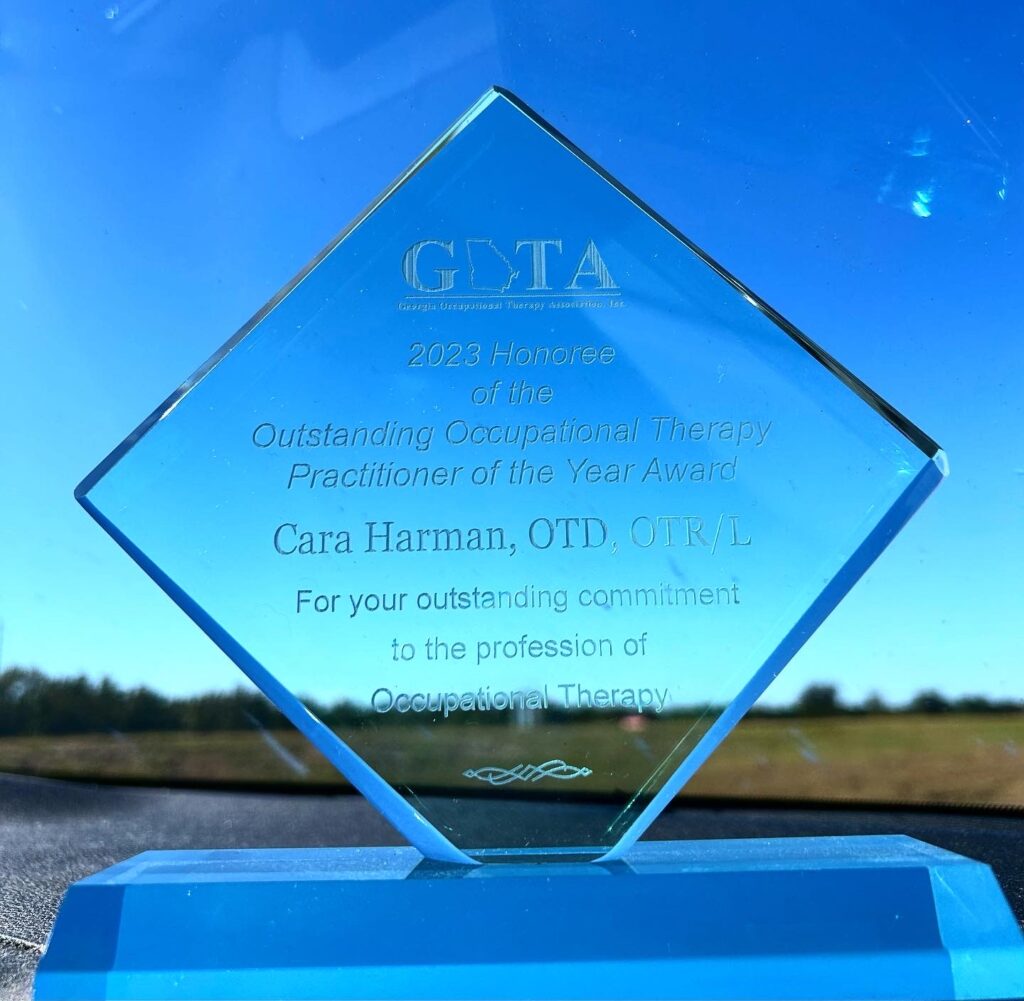
Cara Harman, Barber's Driving School's Director of Research and Development, was named the 2023 "OT Practitioner of the Year" by the Georgia Occupational Therapy Association.
Dustin Abram OTR/L, CDRS and Cara Harman OTD, OTR/L presented on Clinical Driver Evaluations at the 2023 Georgia Occupational Therapy Association (GOTA) conference at St. Simons Island, GA.
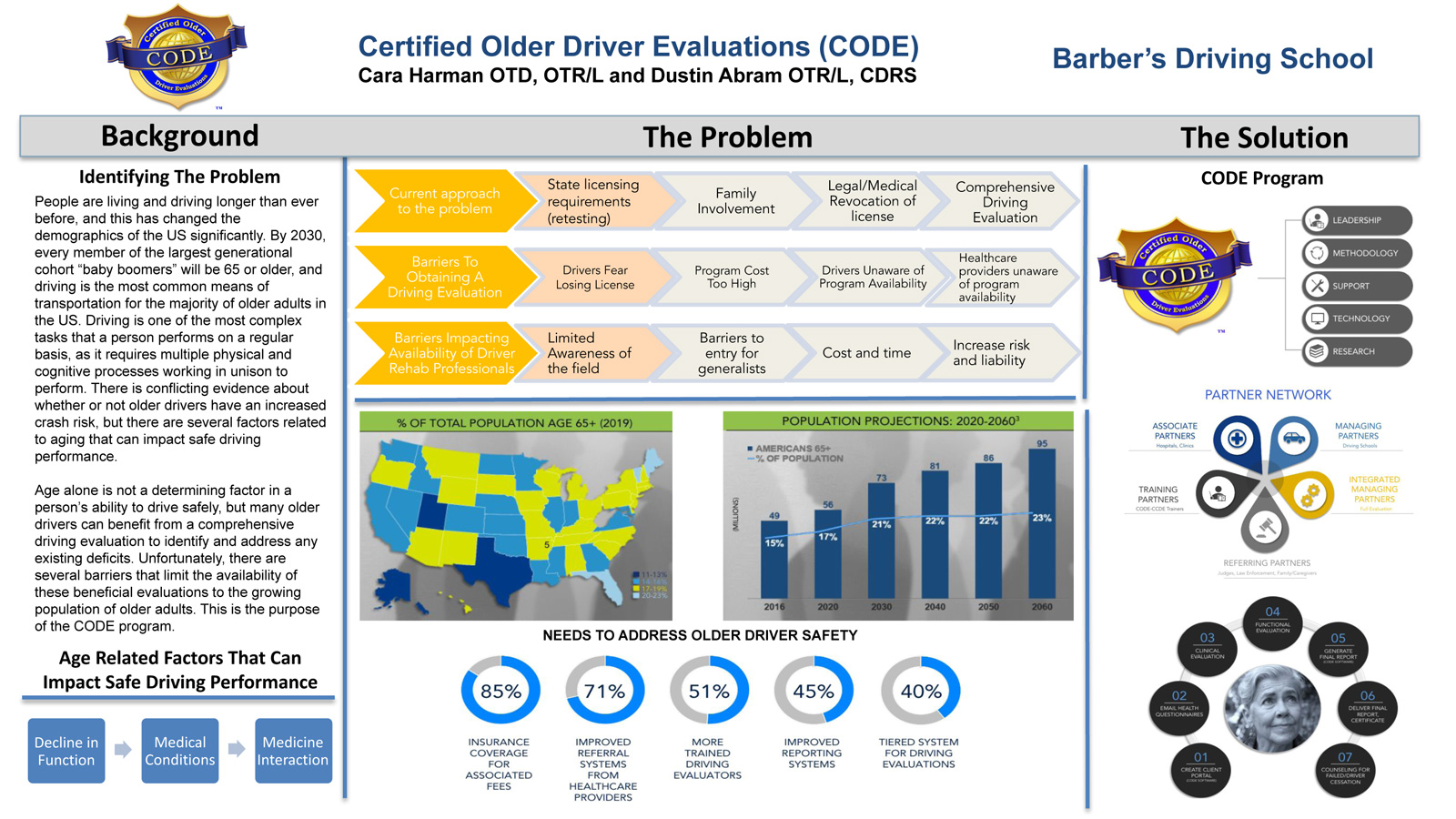
Dustin Abram OTR/L, CDRS and Cara Harman OTD, OTR/L presented on Clinical Driver Evaluations at the 2023 Georgia Occupational Therapy Association (GOTA) conference at St. Simons Island, GA.
CODE team presenting on Clinical Driver Evaluations at the 2023 Alabama OT conference
Cara and Malorie presenting at Alabama OT (ALOTA) conference
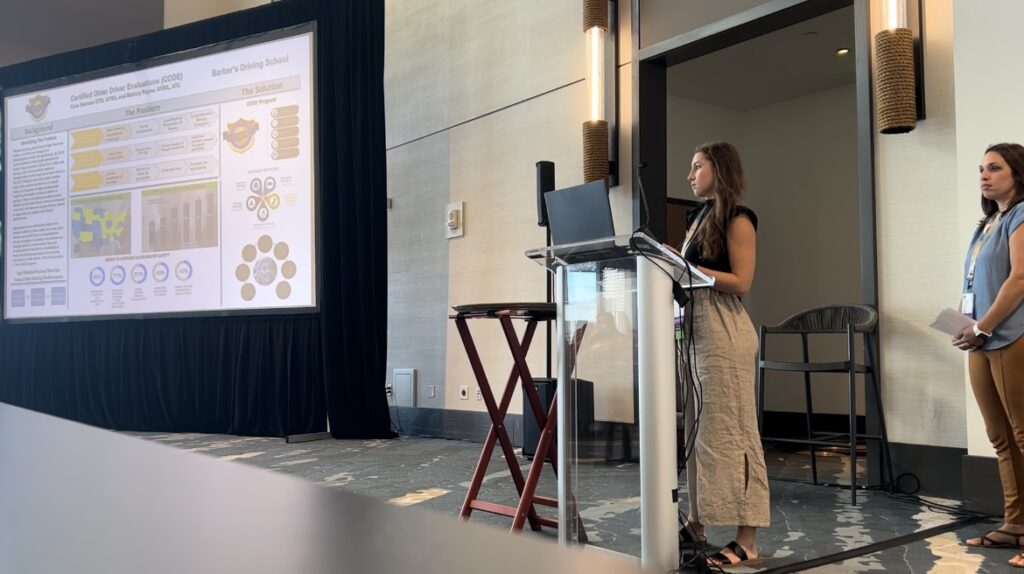
Cara speaking to ALOTA members
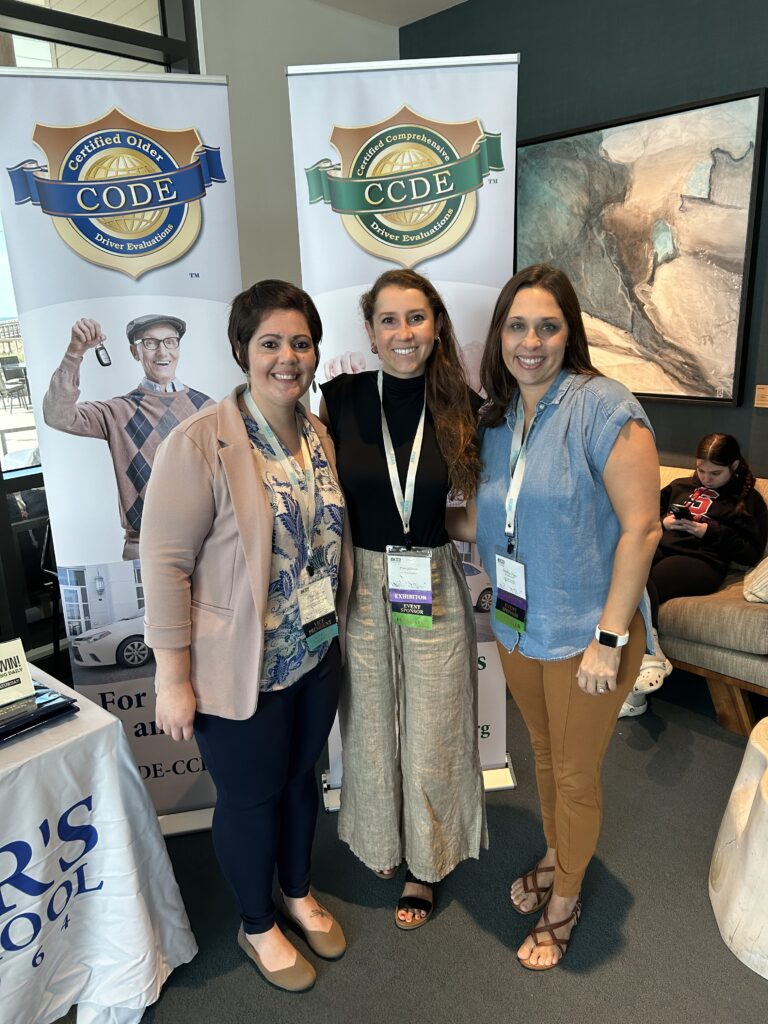
Cara Harman hosts an exhibitor booth on driving evaluations at the Georgia OT (GOTA) conference
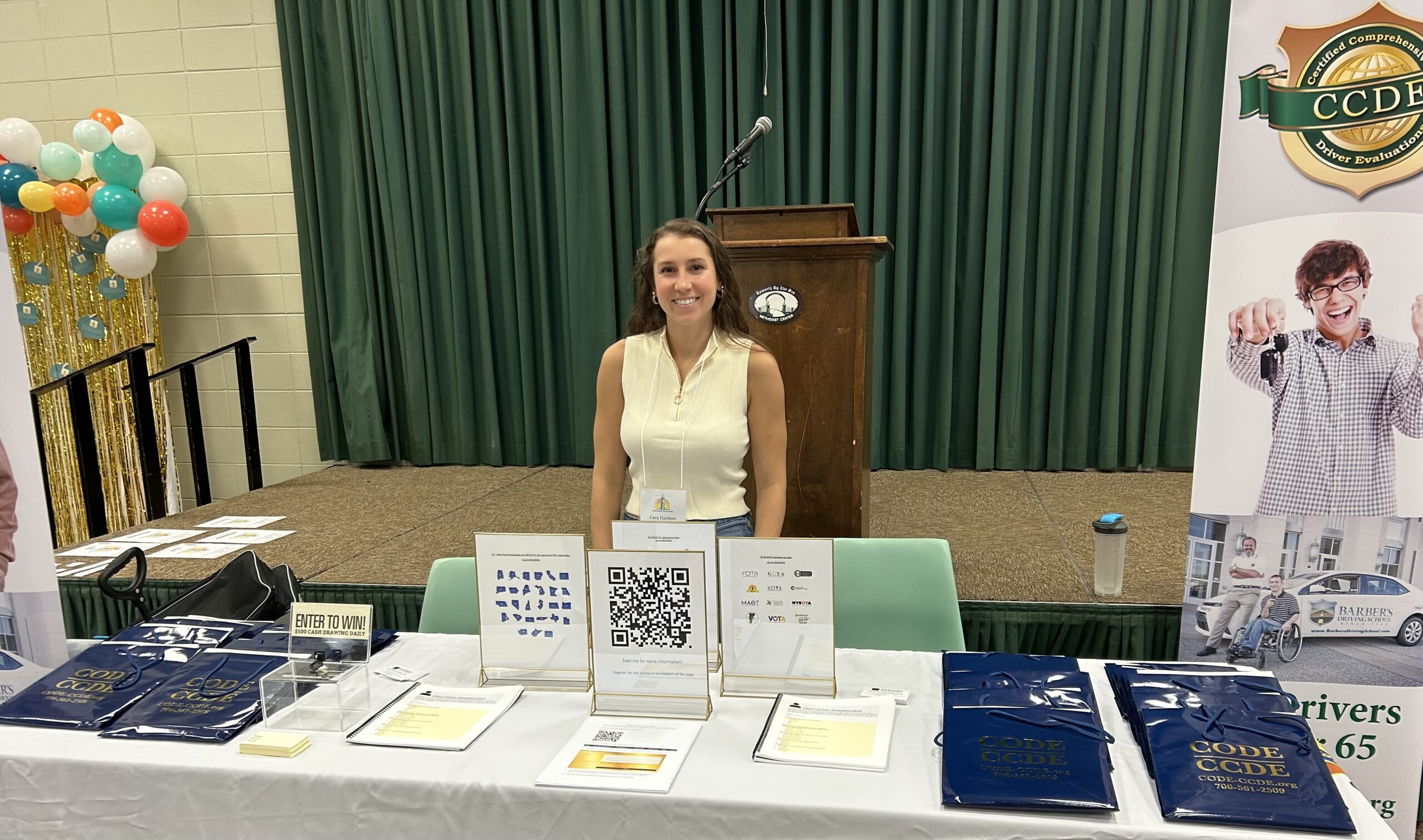
Cara Harman hosting an exhibitor booth on driving evaluations at the Georgia OT (GOTA) conference